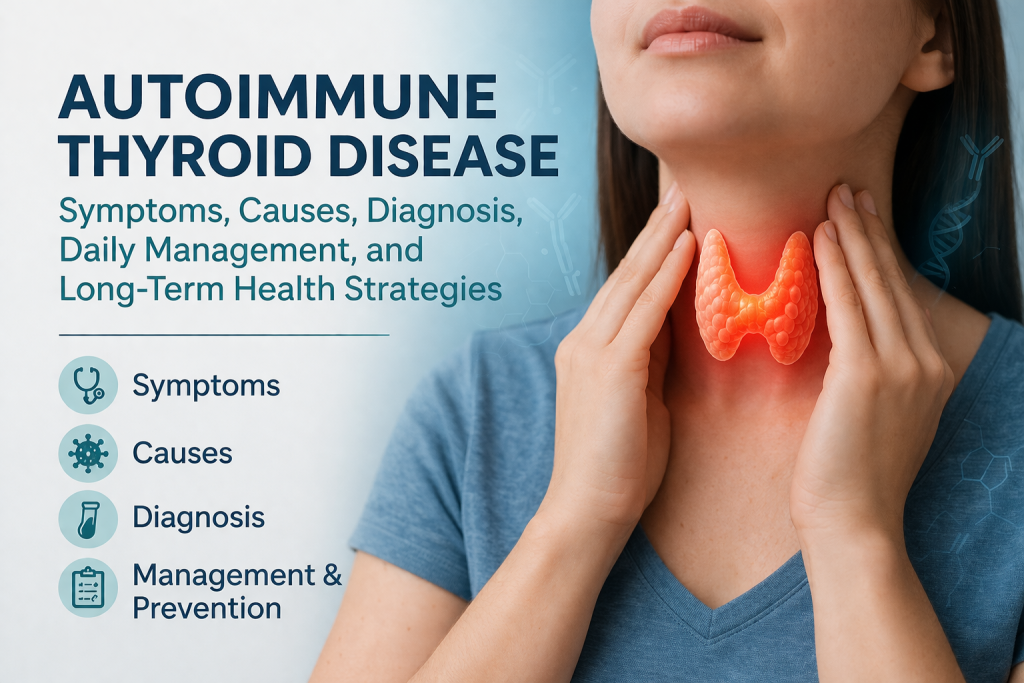
Autoimmune thyroid disease is a broad term for conditions in which the immune system mistakenly targets the thyroid gland. For some people, that attack slows the thyroid down and leads to underactive thyroid function. For others, it overstimulates the gland and causes overactive thyroid function. Because thyroid hormones influence energy use, body temperature, heart rhythm, mood, digestion, menstrual cycles, and more, these conditions can affect daily life in ways that feel surprisingly wide-ranging.
In real life, autoimmune thyroid disease often does not begin with one dramatic symptom. It may show up as unexplained fatigue, a racing heart, bowel changes, dry skin, anxiety, poor concentration, weight changes, or a general sense that your body no longer feels predictable. Some people are diagnosed quickly. Others spend months attributing symptoms to stress, aging, poor sleep, postpartum changes, or a busy schedule.
This article explains what autoimmune thyroid disease is, the main types, common symptoms, risk factors, how diagnosis usually works, and what day-to-day life management can realistically look like. It also covers practical routines, common mistakes, and when to seek urgent medical attention. This content is educational and is not a substitute for personal medical advice, diagnosis, or treatment.
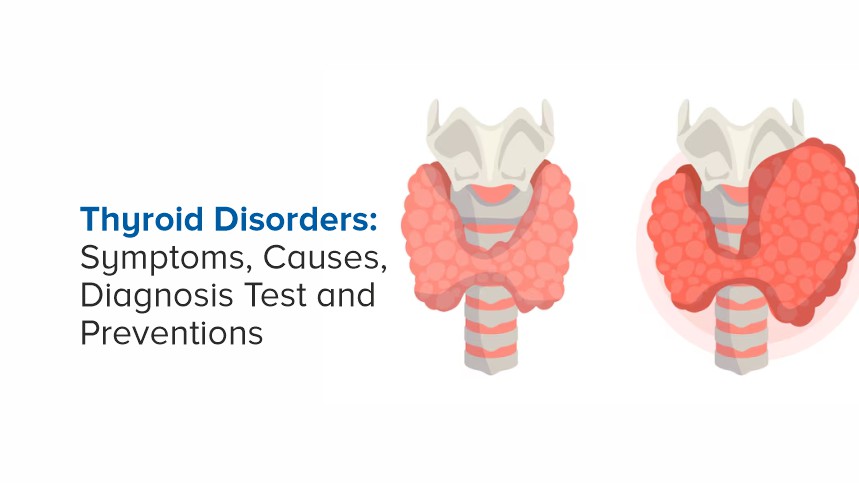
Table Of Contents
- Understanding autoimmune thyroid disease
- Types Of autoimmune thyroid disease
- Causes Of autoimmune thyroid disease
- Symptoms Of autoimmune thyroid disease
- Risk Factors
- Diagnosis Process
- Living With autoimmune thyroid disease
- Prevention Strategies
- Practical Examples
- Conclusion
- Frequently Asked Questions
- Final Editorial Disclaimer
- References
Understanding autoimmune thyroid disease
The thyroid is a small butterfly-shaped gland located in the front of the neck. It produces hormones that help regulate how your body uses energy. That includes metabolism, heart rate, body temperature, digestion, muscle function, brain performance, and reproductive health. When thyroid hormone levels are too low or too high, many body systems can be affected at once.
Autoimmune thyroid disease happens when the immune system loses tolerance to normal thyroid tissue or thyroid-related targets. Instead of ignoring the gland, the immune system makes antibodies and immune cells that attack or stimulate it. In simple terms, the body misidentifies the thyroid as a problem. Depending on the type of immune response involved, the gland may become inflamed and sluggish, or it may become overactive.
Two conditions account for most cases:
Hashimoto’s disease
Hashimoto’s disease is an autoimmune condition that usually damages the thyroid over time and commonly leads to hypothyroidism, meaning the gland does not make enough hormone. It is one of the most common causes of underactive thyroid function. Some people develop it gradually, and early symptoms may be subtle. A person may feel tired, cold, constipated, mentally foggy, or notice dry skin and gradual weight gain before realizing a thyroid problem is involved.
Graves’ disease
Graves’ disease is an autoimmune condition that typically causes hyperthyroidism, meaning the thyroid produces too much hormone. Instead of damaging the gland into underperformance, the immune system produces antibodies that stimulate it. This can make the body feel sped up. People may develop a fast heartbeat, anxiety, tremor, sweating, heat intolerance, sleep trouble, frequent bowel movements, and unintentional weight loss even when appetite is normal or increased.
Although Hashimoto’s disease and Graves’ disease are different, they belong to the same autoimmune family. In both, the immune system is central to the problem. In both, symptoms may evolve over time. And in both, proper treatment can make a major difference in how a person feels and functions day to day.
Types Of autoimmune thyroid disease
The two main types are Hashimoto’s disease and Graves’ disease, but it helps to understand them in a more practical way.
Hashimoto’s disease and autoimmune hypothyroidism
Hashimoto’s disease is the classic autoimmune cause of hypothyroidism. The immune system attacks the thyroid, causing inflammation and gradual loss of function. Over time, the gland may not produce enough thyroid hormone to meet the body’s needs.
In real life, this often means slow-building symptoms. Someone may say, “I just don’t feel like myself anymore.” They may need more sleep, struggle with constipation, feel colder than everyone else, or notice puffy facial features, heavier menstrual periods, or a low mood. Hair may become dry or thin. Exercise may feel harder than usual, not because of laziness, but because metabolism, muscle recovery, and energy balance are all affected.
A person with Hashimoto’s can also have periods where thyroid levels shift. Early on, some people experience temporary hormone release from the inflamed gland, which may briefly resemble hyperthyroid symptoms before the thyroid settles into low function.
Graves’ disease and autoimmune hyperthyroidism
Graves’ disease is the best-known autoimmune cause of hyperthyroidism. The antibodies involved stimulate the thyroid, causing it to release too much hormone.
This can feel like the body is stuck in overdrive. A person may feel wired but tired, hungry but losing weight, sweaty in ordinary temperatures, shaky while holding a cup, or breathless climbing stairs that used to feel easy. Their resting pulse may be fast. Anxiety may worsen, and sleep can become fragmented. Some people first notice a change in the mirror rather than a lab result: weight loss, a fuller-looking neck from goiter, or eye symptoms.
Thyroid eye disease
Thyroid eye disease is a related autoimmune problem that most often occurs with Graves’ disease. It does not happen to everyone, but when it does, it can affect comfort, appearance, and vision. Symptoms may include eye dryness, grittiness, redness, eyelid swelling, pressure behind the eyes, double vision, or eyes that appear more prominent. In severe cases, vision can be threatened. Smoking raises risk and can worsen the condition.
Less typical patterns
Autoimmune thyroid disease does not always behave in a perfectly neat category. Some people with Hashimoto’s may have fluctuating thyroid levels. Rarely, a person’s pattern can shift over time. The important point is not to self-label based on symptoms alone. Blood tests and clinical evaluation matter because fatigue, palpitations, weight changes, mood changes, and bowel changes can have many causes.
Causes Of autoimmune thyroid disease
There is no single cause that explains every case. Autoimmune thyroid disease usually develops from a combination of genetics, immune dysregulation, hormonal influences, and environmental triggers.
Genetics and family background
Family history matters. Autoimmune thyroid disease tends to cluster in families, and it also overlaps with other autoimmune conditions. A person may not have a parent with the exact same diagnosis, but they may have relatives with thyroid disease, type 1 diabetes, celiac disease, or other autoimmune conditions. This does not guarantee a person will develop thyroid disease, but it increases susceptibility.
Immune system misfiring
At the center of autoimmune thyroid disease is an immune system that reacts inappropriately to thyroid tissue. In Hashimoto’s disease, that reaction is more destructive and often lowers hormone output over time. In Graves’ disease, certain antibodies stimulate the gland and increase hormone production. The immune behavior is different, but both are examples of the body attacking or misdirecting itself.
Sex and hormonal influences
These conditions are more common in women than in men. Hormonal shifts may partly explain that pattern. Pregnancy and the postpartum period are times when immune and hormone changes can reveal or worsen thyroid problems. A person who recently gave birth and feels extremely anxious, exhausted, sweaty, shaky, depressed, or unusually cold should not assume it is “just postpartum stress” without evaluation.
Iodine, medications, and other triggers
Thyroid health depends on iodine, but more is not always better. In some people, excessive iodine exposure can worsen thyroid dysfunction. Certain medications and medical treatments can also affect the thyroid. This does not mean people should fear all supplements or treatments, but it does mean “thyroid support” products and high-dose iodine supplements are not automatically safe.
Smoking and immune-related complications
Smoking deserves special mention, especially in Graves’ disease and thyroid eye disease. It is linked to a higher risk of thyroid eye problems and can make existing eye disease harder to manage. From a practical standpoint, smoking cessation may not cure autoimmune thyroid disease, but it can be one of the most meaningful risk-reduction steps for people with Graves’-related eye involvement.
Why the “root cause” question is often frustrating
Many people want one clean answer: “What caused mine?” In reality, autoimmune conditions are often multifactorial. Genes may load the gun, but environment, hormones, stress on the system, infections, smoking, and other factors may influence when the condition appears. That uncertainty can be emotionally difficult, but it also means management needs to be broad and realistic rather than built around one miracle explanation.
Symptoms Of autoimmune thyroid disease
Symptoms depend largely on whether the thyroid is underactive or overactive.
Common symptoms of Hashimoto’s disease and hypothyroidism
When thyroid hormone levels are low, body processes slow down. Common symptoms can include:
- Fatigue or low stamina
- Feeling cold when others are comfortable
- Constipation
- Dry skin
- Hair thinning or coarse hair
- Weight gain or difficulty losing weight
- Brain fog or slower thinking
- Depressed mood
- Puffy face
- Muscle aches or weakness
- Heavy or irregular menstrual periods
- Slower heart rate
These symptoms can be mild at first. Someone may blame long work hours, parenting, aging, or burnout. The problem is that untreated hypothyroidism can affect cholesterol, heart health, fertility, and quality of life over time, so prolonged dismissal is not ideal.
Common symptoms of Graves’ disease and hyperthyroidism
When thyroid hormone levels are too high, the body speeds up. Common symptoms can include:
- Rapid heartbeat or palpitations
- Nervousness, irritability, or anxiety
- Tremor
- Heat intolerance
- Sweating more than usual
- Weight loss despite normal eating or increased appetite
- Frequent bowel movements or diarrhea
- Sleep difficulty
- Muscle weakness
- Menstrual changes
- Shortness of breath with exertion
- Enlarged thyroid gland
Some people feel restless and powerful at first, then progressively drained. Others are alarmed by chest pounding, weight loss, or severe anxiety. In older adults, symptoms may be less classic and can sometimes be mistaken for heart problems or general decline.
Symptoms related to the neck and thyroid gland
Either major form of autoimmune thyroid disease may involve a goiter, which is an enlarged thyroid. A person may notice fullness in the neck, discomfort with tight collars, or a visible change in the lower front of the neck. Large goiters can sometimes contribute to swallowing discomfort or a pressure sensation.
Eye symptoms in Graves’-related disease
Symptoms may include:
- Dry, irritated, or watery eyes
- Redness
- Light sensitivity
- Swollen eyelids
- A “staring” appearance
- Double vision
- Eye pain or pressure
- Visual changes
This is not just cosmetic. Eye symptoms deserve proper assessment, especially if double vision or visual decline develops.
Symptoms that need urgent attention
Seek urgent medical care for symptoms such as chest pain, fainting, severe shortness of breath, confusion, a very rapid or irregular heartbeat, severe agitation, high fever with hyperthyroid symptoms, or sudden vision changes. Severe untreated hyperthyroidism can, in rare cases, lead to thyroid storm, a dangerous emergency.
Risk Factors
Autoimmune thyroid disease can happen to anyone, but some factors raise the odds.
Major risk factors
- Female sex
- Family history of thyroid disease or autoimmune disease
- Personal history of other autoimmune conditions
- Pregnancy or the postpartum period
- Smoking, especially for thyroid eye disease risk
- Midlife, although disease can occur earlier or later
- Certain medication or iodine exposures
These factors do not act the same way in every person, but together they help explain why one person develops symptoms while another does not.
Other autoimmune diseases
Autoimmune thyroid disease can coexist with other autoimmune conditions. Type 1 diabetes and celiac disease are commonly discussed because they share immune and genetic tendencies. This matters in practice because a person with one autoimmune disease should not ignore new symptoms that suggest another. Fatigue, bowel changes, weight shifts, or abnormal lab patterns may have overlapping explanations.
Lifestyle and stress
Stress is often blamed as the sole cause, but that oversimplifies the issue. Stress alone does not fully explain autoimmune thyroid disease. Still, chronic stress can worsen sleep, self-care, symptom perception, and coping, all of which may make illness feel more disruptive. That means stress management matters, even if it is not the whole story.
Diagnosis Process
Thyroid symptoms overlap with many everyday complaints, so diagnosis typically requires more than a symptom checklist.
Medical history and symptom review
A clinician usually begins by asking about fatigue, palpitations, bowel changes, weight changes, menstrual patterns, temperature intolerance, mood symptoms, family history, pregnancy history, other autoimmune conditions, and medication or supplement use. This part matters because symptom patterns can point toward hypo- or hyperthyroidism even before testing.
Physical examination
A clinician may check heart rate, blood pressure, tremor, skin texture, reflexes, eye changes, and whether the thyroid feels enlarged or irregular. They may also look for signs such as swelling, hair changes, or slowed movements.
Blood tests
Thyroid blood tests are central. TSH is often the starting point, and free T4 is commonly used to understand how active the thyroid actually is. In suspected hyperthyroidism, additional thyroid hormone testing may be used. Thyroid antibody tests can help identify autoimmune thyroid disease, including the antibodies commonly associated with Hashimoto’s disease and Graves’ disease.
Imaging and additional evaluation
Imaging is not always required, but it may be used in certain situations. Ultrasound can help evaluate the thyroid’s appearance. In hyperthyroidism, radioactive iodine uptake testing or scanning may help determine the cause, especially when the diagnosis is not clear from labs and clinical findings alone.
Why self-diagnosis often goes wrong
Many symptoms of autoimmune thyroid disease are nonspecific. Fatigue may come from anemia, sleep apnea, depression, infection, poor sleep, or blood sugar issues. Palpitations may come from anxiety, caffeine, or arrhythmias. Weight changes have many causes. This is why lab confirmation matters. It protects people from chasing the wrong explanation and helps treatment become more precise.
Living With autoimmune thyroid disease
Living well with autoimmune thyroid disease usually means a combination of medical treatment, symptom awareness, consistent routines, and realistic expectations.
Medical treatment in everyday terms
For Hashimoto’s-related hypothyroidism, treatment often involves thyroid hormone replacement, usually levothyroxine. The goal is not to “boost” the thyroid in a vague way. It is to restore normal hormone levels and reduce symptoms. Timing matters because absorption can be affected by food, calcium, iron, and some other medications.
For Graves’ disease, treatment may involve medicines that reduce thyroid hormone production, and some people need other treatments depending on their situation. Care plans can vary based on age, severity, eye involvement, pregnancy considerations, other medical conditions, and whether the condition is stable or recurring.
What daily life may feel like
People with hypothyroidism often struggle more with low energy, sluggish thinking, constipation, and feeling physically slowed down. People with hyperthyroidism often struggle more with restlessness, insomnia, irritability, overheating, and racing thoughts. In either case, symptoms can interfere with work, parenting, exercise, social life, and confidence.
A person with underactive thyroid disease may wake up tired, drag through the morning, and feel discouraged when healthy habits do not seem to work quickly. A person with overactive thyroid disease may look “fine” to others while privately battling chest pounding, poor sleep, shakiness, and constant internal agitation. The emotional burden is real, even when the condition is treatable.
Practical lifestyle supports
Lifestyle changes do not replace proper treatment, but they can support daily function:
- Keep medication timing consistent
- Use follow-up lab testing as recommended
- Prioritize sleep routine and recovery
- Eat regular, balanced meals instead of swinging between restriction and overeating
- Stay physically active within your energy level
- Avoid smoking
- Track symptoms, but do not obsess over every fluctuation
- Review supplements with a qualified clinician, especially if they contain iodine
Food and nutrition in a practical context
There is no single autoimmune thyroid disease diet that works for everyone. Balanced eating is usually more useful than chasing rigid food rules. Helpful basics often include:
- Protein at meals to support satiety and muscle health
- Fiber from vegetables, fruit, beans, oats, or other tolerated foods
- Healthy fats from foods like nuts, seeds, olive oil, avocado, or fish
- Regular meal timing if hyperthyroid symptoms are causing excessive hunger or weight loss
- Adequate hydration, especially if sweating or bowel frequency is increased
Some people ask about gluten, dairy, soy, selenium, or iodine. These issues are individual. A restrictive diet may help some people in specific circumstances, especially if they have another diagnosed condition such as celiac disease, but blanket elimination for everyone is not automatically justified. Extreme food rules can increase stress, cost, and nutritional gaps.
Fertility, pregnancy, and life stages
Thyroid health matters for menstrual health, fertility, and pregnancy. Both underactive and overactive thyroid states can affect reproductive function. People who are pregnant, planning pregnancy, or having fertility trouble should make thyroid follow-up a priority because needs and treatment targets may change.
Mental and emotional health
Mood symptoms are common. Hypothyroidism can come with low mood, slower thinking, and reduced drive. Hyperthyroidism can worsen anxiety, irritability, and sleep disruption. It is helpful to remember that these experiences are not “all in your head,” but they also deserve attention as real quality-of-life issues. Treating the thyroid condition may help, but some people also benefit from counseling, stress management, or mental health care.
Prevention Strategies
Not every case can be prevented, especially when genetics and autoimmunity are involved. Still, there are practical ways to lower risk of complications and support long-term health.
What you may be able to reduce
- Avoid unnecessary high-dose iodine supplements unless specifically advised
- Stop smoking, especially if Graves’ disease or eye symptoms are present
- Do not ignore persistent symptoms that suggest thyroid dysfunction
- Keep follow-up appointments and repeat labs when recommended
- Review all supplements and “thyroid support” products before using them
- Manage associated conditions, such as diabetes or celiac disease, if present
Preventing worsening rather than preventing onset
For many adults, the realistic goal is not total prevention of autoimmune thyroid disease itself. The goal is earlier detection, better control, and fewer downstream problems. That can mean catching hypothyroidism before it leads to significant fatigue and cholesterol issues, or treating hyperthyroidism before heart rhythm problems, severe weight loss, or eye complications develop.