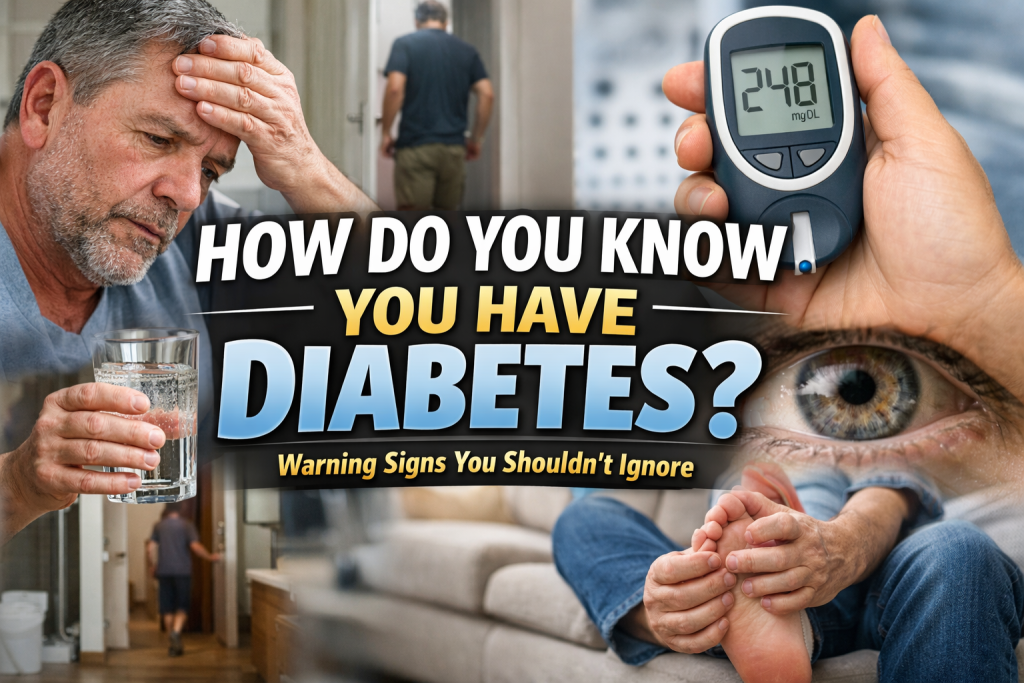
Many people expect diabetes to announce itself clearly. They imagine dramatic symptoms, a sudden collapse, or a doctor spotting it right away on routine blood work. In real life, it often does not happen that way. Some people feel noticeably unwell with constant thirst, frequent urination, blurry vision, and unusual fatigue. Others live with rising blood sugar for months or even years and barely notice anything unusual until complications, infections, or a routine screening test bring it to light. Type 2 diabetes in particular can develop gradually, while type 1 diabetes can become serious much faster.
That is why the question “how do you know if you have diabetes” is so important. You do not know based on one symptom alone, one bad day of eating, or one home glucose reading. You know by putting the full picture together: symptoms, risk factors, medical history, and proper blood testing. A diagnosis requires formal evaluation, not guesswork.
This guide explains what diabetes is, the signs that may point to it, the main types, who is more likely to develop it, how doctors test for it, and what practical next steps can help. It also includes real-life examples, common mistakes, and a short safety note: this article is educational and cannot diagnose you. If you have symptoms that suggest high blood sugar or feel suddenly very unwell, talk to a qualified healthcare professional promptly. Severe symptoms such as trouble breathing, vomiting, confusion, or fruity-smelling breath need urgent medical care.
Table Of Contents
- Understanding Diabetes
- Types Of Diabetes
- Causes Of Diabetes
- Symptoms Of Diabetes
- Risk Factors
- Diagnosis Process
- Living With Diabetes
- Prevention Strategies
- Practical Examples
- Conclusion
- Frequently Asked Questions
- Final Editorial Disclaimer
- References
Understanding Diabetes
Diabetes is a condition in which blood glucose, often called blood sugar, stays higher than it should. Glucose is one of the body’s main sources of energy. After you eat, your body breaks down carbohydrates into glucose, which enters the bloodstream. Insulin, a hormone made by the pancreas, helps move that glucose from the blood into cells where it can be used for energy. When the body does not make enough insulin, or cannot use insulin well, glucose builds up in the blood instead of being used efficiently.
That buildup matters because high blood sugar is not just a number on a lab report. Over time, it can affect blood vessels, nerves, eyes, kidneys, heart, skin, and feet. In the short term, it may leave a person tired, thirsty, and unable to feel well day to day. In the long term, untreated or poorly controlled diabetes can increase the risk of nerve damage, vision problems, kidney disease, heart disease, and serious foot complications.
One reason diabetes is easy to miss is that symptoms do not always arrive all at once. A person may notice they are getting up more often at night to urinate, or that they feel drained after meals, or that small cuts take longer to heal. Each sign may seem minor on its own. Together, they can point to a blood sugar problem worth checking.
Another important point is that diabetes exists on a spectrum. Before type 2 diabetes develops, many people go through a stage called prediabetes, where blood sugar is higher than normal but not yet high enough for a diabetes diagnosis. This stage still matters because it raises the risk of progressing to type 2 diabetes and is also associated with heart and stroke risk.
So if you are asking how you know whether you have diabetes, the honest answer is this: you begin by noticing patterns, but you confirm it with medical testing.
Types Of Diabetes
Type 1 Diabetes
Type 1 diabetes happens when the body produces little or no insulin because the insulin-making cells in the pancreas are destroyed. It often begins in childhood, adolescence, or young adulthood, but it can occur at any age. Symptoms may appear quickly, sometimes over days or weeks rather than years. People with type 1 diabetes are at higher risk of diabetic ketoacidosis, a medical emergency caused by severe insulin deficiency and high ketone levels.
A real-life example: a teenager who suddenly starts drinking water constantly, losing weight despite eating more, urinating frequently, and feeling exhausted should not assume it is stress or a growth spurt. That pattern may need urgent testing.
Type 2 Diabetes
Type 2 diabetes is the most common form. In this type, the body becomes resistant to insulin and over time may also fail to make enough of it. It usually develops gradually, often over years. Some people have obvious symptoms, but many do not notice any until blood sugar has been high for a long time.
A common scenario is an adult who feels more tired than usual, gains abdominal weight, needs to urinate more often, and has repeated skin or yeast infections. They may not suspect diabetes until a routine annual exam shows an abnormal A1C or fasting glucose.
Prediabetes
Prediabetes is not the same as diabetes, but it is a warning sign that blood sugar regulation is already under strain. Many people with prediabetes feel completely normal. Others may have subtle changes such as increased fatigue or areas of darkened skin in body folds, especially around the neck or armpits, which can be associated with insulin resistance.
Prediabetes matters because it is a stage where lifestyle changes can sometimes delay or help prevent progression to type 2 diabetes.
Gestational Diabetes
Gestational diabetes develops during pregnancy. Some pregnant people have no symptoms at all and only find out through routine screening. Others may notice thirst, fatigue, or more urination, but pregnancy itself can also cause similar sensations, which is one reason formal testing is so important.
Less Common Types
There are also less common forms, including diabetes caused by certain genetic conditions, pancreatic disease, medications such as steroids, or rare endocrine disorders. These are not the first explanation in most cases, but they may be considered when the usual picture does not fit.
Causes Of Diabetes
The causes depend on the type.
What Causes Type 1 Diabetes
Type 1 diabetes is linked to an autoimmune process. The immune system mistakenly attacks the insulin-producing cells in the pancreas. Researchers do not think it is caused by eating too much sugar. Instead, it appears to involve a mix of genetic susceptibility and environmental triggers that are not fully understood.
What Causes Type 2 Diabetes
Type 2 diabetes develops when the body does not use insulin effectively and the pancreas can no longer keep up with the body’s insulin needs. This is often related to insulin resistance. Extra body fat, especially around the abdomen, low physical activity, poor sleep, chronic stress, family history, and aging can all play a role. Not everyone with type 2 diabetes has the same cause profile, but the condition usually develops over time rather than overnight.
What Causes Prediabetes
Prediabetes generally arises from the same underlying process as type 2 diabetes: insulin resistance and gradually worsening blood sugar control. It is often the body’s early warning stage before full diabetes develops.
What Causes Gestational Diabetes
During pregnancy, hormones can make it harder for the body to use insulin effectively. If the pancreas cannot make enough extra insulin to compensate, blood sugar rises and gestational diabetes can develop.
Common Misunderstandings
Many people think diabetes is caused by one food or one bad habit. That is too simplistic. Sugary drinks, excess calories, inactivity, and weight gain can contribute to type 2 diabetes risk, but diabetes is not a moral failure or a punishment for eating dessert. Genetics, ethnicity, pregnancy history, age, and other health conditions can all shape risk as well.
Symptoms Of Diabetes
The classic symptoms of diabetes are often remembered as the “big three”:
- Urinating more often than usual
- Feeling unusually thirsty
- Feeling hungrier than usual
These happen because excess glucose in the blood pulls more fluid into the urine, which can lead to dehydration and thirst. Even though glucose is high in the bloodstream, cells may not be getting the fuel they need properly, which can leave a person hungry and tired.
Common Symptoms People Actually Notice
Beyond the classic signs, people often notice more practical day-to-day effects, such as:
- Waking up several times at night to urinate
- Carrying a water bottle everywhere because they are always thirsty
- Feeling exhausted after meals or in the afternoon
- Blurry vision that comes and goes
- Unexplained weight loss
- Repeated yeast infections or urinary tract infections
- Cuts, scrapes, or sores healing slowly
- Numbness or tingling in the hands or feet
- Irritability or feeling “off” without a clear reason
Symptoms Can Differ By Type
Type 1 diabetes often appears faster and more dramatically. A child, teen, or adult might become ill over a short period with intense thirst, frequent urination, weight loss, fatigue, and sometimes nausea or vomiting. Because it can progress quickly, people may first present with diabetic ketoacidosis.
Type 2 diabetes is often quieter. A person may have it for years without realizing it. Symptoms may be mild, gradual, or easy to blame on aging, busy schedules, bad sleep, or stress. That is one reason screening is so important if risk factors are present.
Early Signs That Are Easy To Dismiss
Some of the earliest clues do not sound dramatic:
- You need the bathroom more often during work meetings or car rides
- Your vision gets blurry when blood sugar runs high
- You get hungrier sooner after meals
- You feel wiped out even after a full night’s sleep
- You keep getting fungal skin infections, athlete’s foot, or yeast infections
- A small blister or shaving cut seems to take forever to heal
These may not prove diabetes, but they are reasonable reasons to get checked.
Symptoms That Need Fast Medical Attention
Seek urgent medical care if diabetes is suspected and there is:
- Trouble breathing
- Vomiting
- Severe stomach pain
- Fruity-smelling breath
- Dry mouth with extreme thirst
- Confusion, drowsiness, or fainting
- Signs of very severe dehydration
These can be warning signs of diabetic ketoacidosis or another dangerous blood sugar emergency.
Risk Factors
Not everyone with diabetes has the same risk profile, but some factors make it more likely.
Risk Factors For Type 2 Diabetes
You may be at higher risk if you:
- Are age 35 or older
- Carry excess weight, especially around the waist
- Have a family history of type 2 diabetes
- Are physically inactive
- Have prediabetes
- Had gestational diabetes during pregnancy
- Have high blood pressure, abnormal cholesterol, or cardiovascular risk factors
- Belong to a population group with higher risk due to a combination of genetic, social, and environmental factors
Age alone does not cause diabetes, but risk rises over time because insulin resistance, weight changes, muscle loss, sleep issues, and metabolic strain can add up.
Risk Factors For Prediabetes
Prediabetes shares many of the same risk factors as type 2 diabetes. A person may feel well but still have abnormal blood sugar if they are sedentary, have abdominal weight gain, or have a strong family history.
Risk Factors For Type 1 Diabetes
Type 1 diabetes is different. Lifestyle does not cause it. Risk is associated more strongly with genetics and autoimmune mechanisms, though the exact triggers are not fully understood.
Why Risk Factors Matter Even Without Symptoms
One of the biggest mistakes people make is assuming no symptoms means no problem. That is not safe with type 2 diabetes or prediabetes. Many people do not notice symptoms until blood sugar has been elevated for a long time. Screening matters because the earlier abnormal blood sugar is found, the earlier action can begin.
Diagnosis Process
This is the section most directly tied to the question: how do you know if you have diabetes?
You do not know for sure based only on symptoms. You know through proper blood testing interpreted in context. Doctors diagnose diabetes and prediabetes using established blood tests. These may include an A1C test, a fasting plasma glucose test, an oral glucose tolerance test, or in some situations a random plasma glucose test when clear symptoms are present.
1. Medical History And Symptom Review
The process often starts with a simple conversation:
- What symptoms have you noticed?
- When did they start?
- Have you lost weight without trying?
- Are you having repeated infections?
- Does diabetes run in your family?
- Have you ever had gestational diabetes?
- Are you taking medicines that can affect blood sugar?
This part matters because it helps determine how urgent the situation is and what type of diabetes may be more likely.
2. Blood Tests Used To Diagnose Diabetes
A1C Test
The A1C test reflects average blood sugar over roughly the last two to three months. It is convenient because fasting is usually not required. In general:
- Below 5.7% is considered normal
- 5.7% to 6.4% is considered prediabetes
- 6.5% or above suggests diabetes
This test is useful because it gives a broader view than a single reading from one moment in the day.
Fasting Plasma Glucose Test
This test checks blood sugar after an overnight fast. In general:
- 99 mg/dL or below is normal
- 100 to 125 mg/dL suggests prediabetes
- 126 mg/dL or above suggests diabetes
This is often used in annual exams or follow-up testing.
Oral Glucose Tolerance Test
This test measures how your body handles a glucose drink over time. It is especially useful in some situations, including pregnancy. In general, a two-hour glucose value of 200 mg/dL or higher can indicate diabetes.
Random Plasma Glucose Test
If a person has classic symptoms of diabetes and a random blood glucose level of 200 mg/dL or above, that can support a diabetes diagnosis.
3. Why One Number Is Not Always Enough
If blood sugar is high but symptoms are not clear, repeat testing is often needed to confirm the diagnosis. This helps prevent labeling someone based on one abnormal result that could be affected by illness, lab variation, or special circumstances.
4. Home Glucose Meters Are Not Enough For Diagnosis
A home glucose meter can show that blood sugar seems high, and that can be a useful clue. But it does not officially diagnose diabetes. Diagnosis should be made with proper clinical testing.
5. When Screening Makes Sense
Screening is often recommended for adults starting at age 35, and earlier if they are overweight or have additional risk factors. Even without symptoms, people at risk may benefit from testing.
6. Extra Testing After Diagnosis
If blood sugar confirms diabetes, the next step is not only to say “yes” or “no.” The clinician may also try to clarify the type of diabetes and check for related issues, such as cholesterol, kidney function, blood pressure, eye health, foot sensation, and sometimes antibodies or ketones if type 1 diabetes is suspected.
Living With Diabetes
For some people, diabetes changes daily life in obvious ways. For others, it becomes a routine that feels manageable with the right support. Either way, the condition is not just about sugar. It affects food choices, energy levels, exercise habits, sleep, work routines, travel, stress, finances, and mental load.
What Daily Life May Feel Like
Someone with newly diagnosed type 2 diabetes may need to learn how meals affect their energy, why a large sugary drink spikes blood sugar, and how walking after dinner can help. Someone with type 1 diabetes may need to think about insulin timing, carbohydrate counting, low blood sugar risk, and sick-day planning.
Common Challenges In Everyday Life
- Eating on a rushed schedule
- Skipping breakfast and overeating later
- Relying on sugary coffee drinks or energy drinks
- Sitting for long work hours
- Forgetting medications
- Feeling discouraged by numbers
- Not knowing what symptoms are urgent
- Trying extreme diets that are hard to sustain
These are practical problems, not character flaws. Good diabetes care often improves when advice is realistic.
What Usually Helps
- Regular follow-up with a qualified healthcare professional
- A simple eating pattern built around consistency, not perfection
- Movement most days of the week
- Better sleep habits
- Medication adherence when prescribed
- Learning how to monitor symptoms and respond appropriately
- Attention to feet, skin, hydration, and infection warning signs
Real-Life Example
Imagine an office worker who used to grab a pastry and sweet coffee for breakfast, skip lunch, then eat a very large dinner and snack late at night. After a diabetes diagnosis, the goal is not a punishing diet. A more practical routine might be eggs and whole-grain toast in the morning, a balanced lunch with protein and vegetables, fruit with nuts as a snack, water instead of soda, and a 15-minute walk after dinner. Small changes repeated daily often matter more than short bursts of extreme motivation.
Prevention Strategies
Not every type of diabetes can be prevented. Type 1 diabetes currently cannot be reliably prevented through lifestyle choices. But type 2 diabetes risk can often be reduced, and prediabetes progression can often be slowed or delayed with steady, practical habits.
Focus On Weight Patterns, Not Crash Diets
If a person is carrying excess weight, modest weight loss can help improve insulin sensitivity. This does not require perfection. For many people, gradual changes are more sustainable than aggressive restriction.
Move More In Ways You Can Repeat
Exercise does not need to mean a hard gym routine. Helpful options include:
- Brisk walking after meals
- Short movement breaks during the workday
- Strength training a few times a week
- Cycling, swimming, dancing, or active chores
Consistency matters more than intensity for most beginners.
Build Meals That Support Steadier Blood Sugar
A practical plate often includes:
- Protein: eggs, fish, chicken, tofu, Greek yogurt, beans
- Fiber-rich carbohydrates: oats, brown rice, beans, fruit, whole grains
- Non-starchy vegetables: leafy greens, broccoli, peppers, cucumber, tomatoes
- Healthy fats in moderate amounts: nuts, seeds, olive oil, avocado
This kind of meal pattern may help reduce large blood sugar swings and improve fullness.
Cut Back On High-Sugar Drinks
Sugary beverages can deliver a lot of carbohydrate quickly without much fullness. Replacing soda, sweet tea, energy drinks, and oversized flavored coffees with water, sparkling water, or unsweetened drinks may help lower overall sugar intake.
Sleep And Stress Matter More Than People Think
Poor sleep and chronic stress can make healthy eating harder, encourage weight gain, and worsen blood sugar regulation. A basic sleep routine and stress management habits may support better metabolic health.
Get Screened If You Are At Risk
Prevention is not only about lifestyle. It is also about catching problems early. If you have risk factors, testing can identify prediabetes or diabetes before complications build quietly in the background.
Practical Examples
A Simple Checklist: Should You Ask About Diabetes Testing?
You should strongly consider asking a clinician about testing if one or more of these apply:
- You are unusually thirsty most days
- You urinate much more often than before
- You are losing weight without trying
- Your vision gets blurry on and off
- You feel persistently tired
- You have repeated yeast infections, skin infections, or UTIs
- You are 35 or older and have not been screened
- You have prediabetes, high blood pressure, or abnormal cholesterol
- You have a parent or sibling with diabetes
- You had gestational diabetes during pregnancy
- You have numbness or tingling in your feet
- A home glucose check looked high
This checklist does not diagnose diabetes, but it can help you decide whether it is time to take the question seriously.
A Beginner-Friendly Day Of Eating
This is not a prescription, just an example of a balanced day that may support steadier blood sugar:
Breakfast
Plain Greek yogurt with berries and chia seeds, or eggs with vegetables and whole-grain toast
Lunch
Grilled chicken or tofu bowl with brown rice, mixed vegetables, and olive oil-based dressing
Snack
Apple with peanut butter, or a handful of nuts with plain yogurt
Dinner
Salmon or beans, roasted vegetables, and a moderate portion of whole grains or sweet potato
Drinks
Water, unsweetened tea, or coffee without heavily sweetened add-ins
The goal is not to avoid all carbohydrates. It is to choose higher-quality carbohydrates, pair them with protein or fat, and avoid large sugar-heavy spikes.
A Simple Daily Routine That Can Support Blood Sugar
- Eat breakfast instead of relying only on caffeine.
- Include protein in each main meal.
- Walk for 10 to 15 minutes after one or two meals.
- Carry water so thirst does not push you toward sugary drinks.
- Avoid going all day without food and then overeating at night.
- Get enough sleep most nights.
- Keep medical appointments and screening tests.
What To Do If You Think You Have Diabetes
- Do not panic, but do not ignore it.
- Make an appointment for formal testing.
- Write down your symptoms and when they started.
- Note any family history of diabetes.
- Avoid assuming supplements or internet remedies can fix the issue.
- Seek urgent care sooner if symptoms are severe or rapidly worsening.
Common Mistakes People Make
- Waiting months because symptoms seem mild
- Assuming only overweight people get diabetes
- Thinking one normal day means there is no issue
- Using a home meter result as a final diagnosis
- Ignoring repeated infections or slow wound healing
- Waiting for symptoms instead of getting screened when at risk
When A Child Or Teen May Need Quicker Attention
Children and teenagers with new intense thirst, frequent urination, bedwetting after being dry at night, weight loss, vomiting, or fatigue need prompt evaluation. Type 1 diabetes can worsen quickly, and waiting can be dangerous.
Conclusion
So, how do you know if you have diabetes?
You suspect it when the pattern fits. You confirm it with testing.
The pattern may include increased thirst, frequent urination, unusual fatigue, blurred vision, unexplained weight loss, frequent infections, slow healing, or numbness and tingling. It may also include no symptoms at all, especially in type 2 diabetes or prediabetes. Risk factors such as age, family history, excess abdominal weight, past gestational diabetes, and inactivity make testing more important, even when you feel mostly fine.
The confirmation comes from proper blood tests such as A1C, fasting glucose, oral glucose tolerance testing, or sometimes a random blood glucose test when symptoms are obvious. If you have been wondering whether your symptoms mean something, the most useful next step is not guessing. It is getting checked.
Early action matters. Whether the result is normal, prediabetes, or diabetes, knowing the answer gives you something valuable: a real starting point.